

A £50 note stretches further when you spend it in a workshop rather than a warehouse. Britain is full of small makers turning out spoons, mugs, cushions and keyrings built to be used for years, often from offcuts, reclaimed timber or fleece that would otherwise go to waste. Money spent with them stays closer to home, and the wrapping-up feels better too. Here are twelve artisan presents that sit comfortably under fifty pounds, arranged by craft, with notes on what to check before you buy.
Why this budget suits small-batch work
The trick is to buy one good object instead of five forgettable ones. A hand-thrown mug that costs the same as a supermarket dinner service will outlast it many times over, and the person who made it will usually answer your emails. Look at craft fairs, guild directories, studio open days and UK-focused marketplaces such as Folksy and Etsy, where you can filter by location.
Two other routes are worth knowing. Many potters and woodworkers sell seconds — pieces with a wobble in the glaze or a slightly off-centre grain — at a reduced price. Most will also make something small to order if you ask politely and allow a few extra weeks.
Woodwork: three presents that earn their place
Hand-carved cooking spoons
A good spoon is the cheapest luxury in the kitchen. Look for cherry, beech or birch finished with a food-safe oil rather than a thick varnish. Hand wash it, dry it upright and re-oil it once a month; keep it out of the dishwasher and it will outlive the pan it stirs.
Reclaimed timber boards
Salvaged oak, ash and elm make serving boards with history in them. Check that the board is flat, that any cracks are filled rather than open, and that it has been treated with a food-safe oil-and-beeswax mix. Boards are easy to refresh at home with a light sanding and a fresh coat of oil, which is exactly the sort of gift that keeps giving.
Turned pots, vases and desk pieces
Bud vases, pen pots and ring dishes are usually made from workshop offcuts, so they are genuinely low-waste. They also suit the budget: a small turned piece often costs far less than a bowl, and it can be made from a wood the recipient already loves.
Ceramics: everyday objects, not shelf ornaments
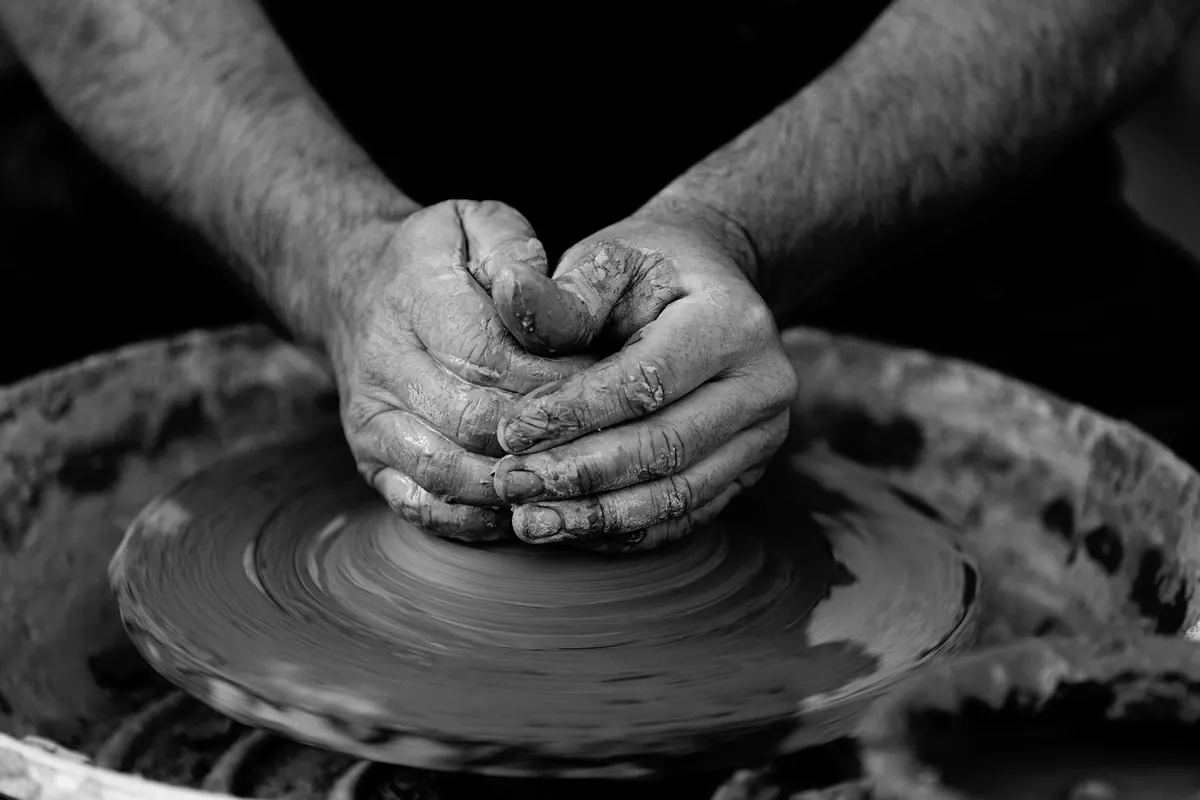
Stoneware takes heat and daily use far better than delicate earthenware. A mug, a small planter or a spoon rest will all come in under budget and get used every single day. Ask three questions before you commit: is the glaze food-safe, is the piece dishwasher-friendly, and what are the exact dimensions? Hand-thrown work varies, so a "large" mug might hold 250ml or 400ml.
For planters, check for a drainage hole or buy a slightly smaller inner pot to sit inside. For anything that will hold hot liquid, avoid moving it straight from a cold cupboard into a hot oven, and warm the pot first. A maker's mark on the base is a small detail that makes a mug feel like a mug and not a commodity, and it helps if you ever want to order a matching piece later.
Textiles: wool, linen and things worth mending
Textiles age well when the fibre is honest. A cushion cover in British wool, a pair of linen tea towels that soften with every wash, or a knitted hot water bottle cover in naturally dyed yarn will all come in under fifty pounds, and all of them can be repaired rather than replaced.
Read the listing for fibre content and dye details. Natural dyes such as madder, weld and indigo fade gradually and beautifully; synthetic dyes hold colour but tell you less about the process. Wash wool cool and by hand where you can, dry it flat, and store it with cedar or lavender to keep moths away. If you are giving a textile as a gift, add a small darning needle and a length of matching yarn to the parcel. It sounds modest, but it nudges the recipient towards mending instead of binning.
Accessories: leather, brass and recycled metal
Small accessories are where a tight budget works best. A vegetable-tanned leather card holder with burnished edges will darken and soften with use; brass hardware can be polished back to a shine with a cloth and a little lemon juice. A hand-blown glass tumbler or a keyring made from recycled aluminium are similarly repairable and repairable-looking, which matters if you want the gift to feel considered rather than disposable.
With silver, ask whether it is recycled and whether the piece carries a UK hallmark; larger items should. For leather, ask how the hide was tanned — vegetable tanning is slower but far easier to condition at home. Avoid bonded leather, which flakes within a year or two.
Questions to ask before you buy
A short message to the maker rarely goes unanswered, and it tells you more than any product photo.
- Where does the material come from — reclaimed, recycled, locally sourced or certified?
- Can the piece be repaired or refinished, and does the maker offer that service?
- Is the finish food-safe, waterproof or suitable for outdoor use?
- What are the exact dimensions and weight, for both fit and postage?
- How will it be packed — plastic-free, recycled, or both?
- Are there seconds available, or a workshop voucher as an alternative?
Wrapping, posting and keeping it useful
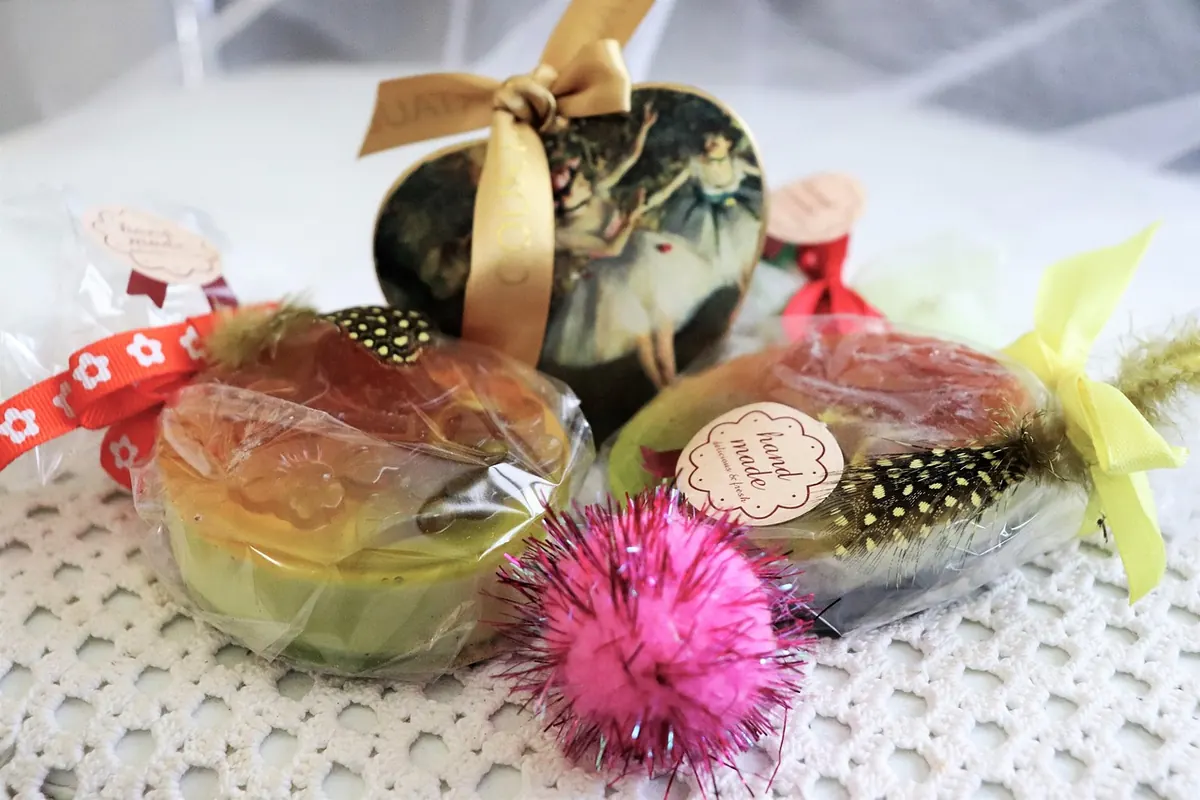
Kraft paper and paper tape will do the job, and a square of fabric wrapped Japanese-style makes a present that requires no tape at all. Skip glitter and metallic foil; neither can be recycled. If you are posting ceramics, wrap each piece in paper or shredded card, box it, then box it again with padding between the layers, and mark the outer parcel fragile.
The final touch is a care card. Three lines in your own handwriting — oil the board monthly, hand wash the spoon, dry the wool flat — will keep the gift in use long after the wrapping paper has gone. If you are buying for someone whose taste you are unsure of, a voucher for a local pottery or spoon-carving workshop sits inside the same budget and gives them an afternoon as well as an object.
Photo: Van3ssa_ / Pixabay
Related posts
More stories you’ll love reading